

Finding Family-Friendly Resorts with Shallow Lagoons
Why Mauritius Works for Young Families
Mauritius is a reliable choice for British families who want winter sun without a punishing journey. Direct overnight flights from London take around twelve hours, and the island is compact, so transfers are short. Air temperatures usually sit between 25°C and 30°C, and the sea stays warm enough for little ones to paddle for hours. May to December tends to bring the most settled weather, while January to March is hotter, more humid and carries a small cyclone risk. The real draw, though, is the lagoon. Coral reefs protect much of the coastline, creating calm, shallow water where children can build confidence safely. Many resorts have gently sloping beaches, shaded kids' pools and clubs designed around family routines.
Which Coast Has the Calmest Shallow Lagoons?
For toddlers and nervous swimmers, the west and north-west coasts are usually best. They are sheltered from the trade winds, so the lagoon stays calm for much of the day. The east coast is beautiful but breezier, which suits older children who want to try sailing or paddleboarding. The south is wilder and better for scenic walks than shallow paddling.
- West coast: Flic-en-Flac has a long, sandy, protected lagoon with a very gentle entry. It is also handy for shops and restaurants.
- North-west: Trou aux Biches and Pointe aux Piments offer clear, calm water and a relaxed pace. The bay at Trou aux Biches is especially good for beginners.
- North: Grand Baie is sheltered and lively, with plenty of family facilities, though it can feel busy. Balaclava is quieter with a peaceful lagoon.
- East coast: Belle Mare and Trou d'Eau Douce have wide, shallow lagoons. Mornings are calmest; the wind often picks up later.
- South: Blue Bay is shallow and clear but protect the coral. Le Morne is spectacular, yet wind and currents suit older children and teens.
What Shallow Entry Really Means
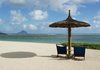
Not every beach labelled "shallow" is easy for a toddler. You want a gentle sandy slope that stays knee-deep for several metres, with no hidden drop-off and no rocky patches underfoot. Tides change everything: at low tide you may find exposed coral, sea urchins or sharp shells, so water shoes are a sensible investment. At high tide the water is deeper but often still calm. Before booking, ask the resort directly: Is the lagoon sandy underfoot? Is there a lifeguard? How far out does the shallow shelf extend? Are there currents? A good family resort will answer clearly. Also check for natural shade, as casuarina trees and thatched parasols make midday beach time much easier.
Kids Clubs and Family Facilities to Look For
A well-run kids club can turn a good holiday into a genuinely restful one. Many larger Mauritian resorts offer clubs for ages three to twelve, with teen programmes and creches for babies and toddlers. The best have qualified staff, clear staff-to-child ratios, shaded play areas, air-conditioned craft rooms and quiet corners for naps. Some include meals and snacks, so you are not constantly managing hunger between activities.
- Age suitability: Check minimum ages carefully. Some clubs start at four, others at three. Creche places for under-threes are limited, so book early.
- Swimming: Look for a dedicated kids' pool with a shallow section, a splash pad and shade. Swim vests are often provided, but bring familiar ones if your child prefers them.
- Rooms: Interconnecting rooms, family suites and kitchenettes make life easier. A bath, a balcony with a lockable door and a separate sleeping area are small details that matter.
- Dining: Kids' menus, high chairs, early dinner sittings and all-inclusive packages help keep routines intact. All-inclusive can be good value for snack-heavy families.
- Babysitting: Evening babysitting lets parents enjoy a quiet dinner. Ask about qualifications and whether care is in your room or a supervised club.
Practical Planning and Choosing the Right Resort
British passport holders do not need a visa for tourism stays of up to 90 days, but passports should be valid for at least six months beyond your return date. The currency is the Mauritian rupee, and cards are widely accepted in resorts, though carry cash for markets and small cafes. Many hotels have UK-style three-pin sockets, but pack a universal adaptor. Tap water is treated, yet bottled water is safer for young children. Bring high-factor sun cream, hats, rash vests and insect repellent for dusk.
Match the resort to your child's age. Babies and toddlers need a calm, shallow lagoon, a creche and a shaded pool. School-age children will enjoy a full club programme, glass-bottom boat trips and gentle water sports. Teenagers appreciate a teen club, kayaks, paddleboards and reliable Wi-Fi. Ask specific questions: How deep is the lagoon at low tide? Is the beach sandy or coral? What are the club hours and age groups? Is a lifeguard on duty? With the right lagoon and a little planning, Mauritius can be one of the easiest long-haul holidays you will ever take with young children.


Beaches
-
Observe giant tortoises and native plants in a protected park. Keep a respectful distance and follow park rules to help wildlife thrive.

Local Culture


-

Long established fact that a reader will be distracted
-

Long established fact that a reader will be distracted
-

Long established fact that a reader will be distracted


Resorts
Karla Gleichauf
12 May 2017 at 05:28 pm
On the other hand, we denounce with righteous indignation and dislike men who are so beguiled and demoralized by the charms of pleasure of the moment
M Shyamalan
12 May 2017 at 05:28 pm
On the other hand, we denounce with righteous indignation and dislike men who are so beguiled and demoralized by the charms of pleasure of the moment
Liz Montano
12 May 2017 at 05:28 pm
On the other hand, we denounce with righteous indignation and dislike men who are so beguiled and demoralized by the charms of pleasure of the moment