

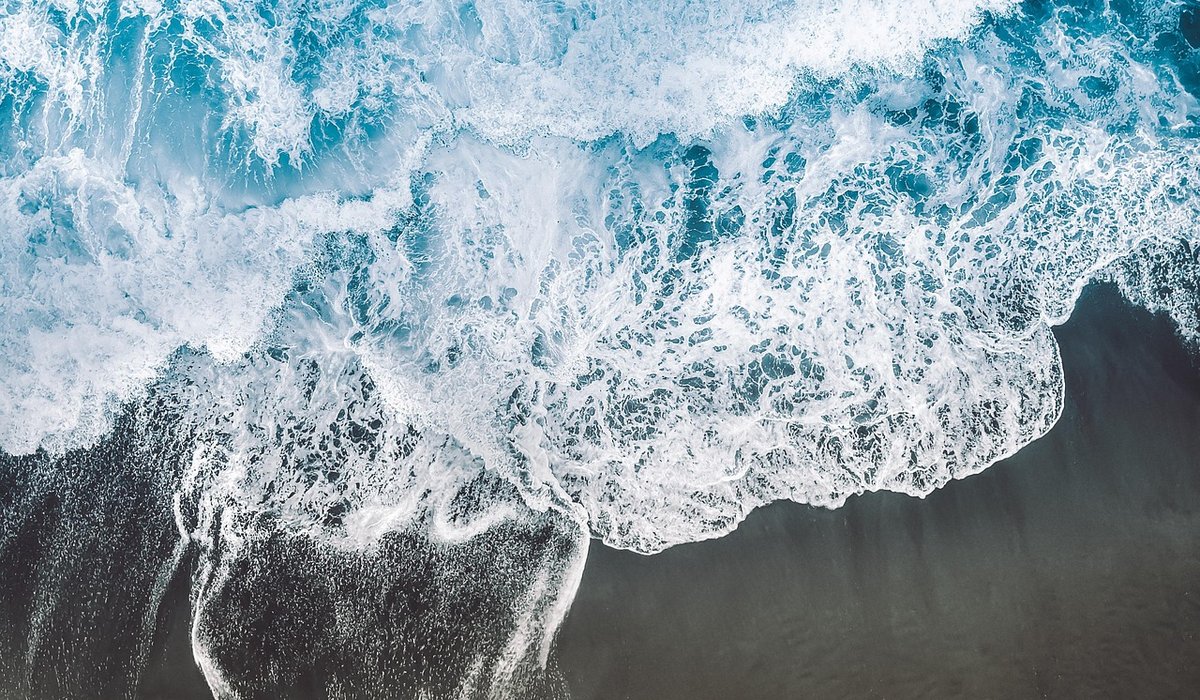
Spotting Dolphins and Whales Along the Coast
Why Mauritius Is a Superb Place to Watch Dolphins and Whales
Mauritius sits in the middle of the Indian Ocean, but it is the west coast that does most of the work for wildlife watchers. The lagoon shelves gently for a few hundred metres before the seabed drops away into deep channels, and that sudden change in depth brings nutrients, bait fish and, in turn, dolphins and whales surprisingly close to shore. The leeward side of the island is also sheltered from the prevailing trade winds, so sea conditions on most mornings are calm enough for a small boat — which matters enormously when you are trying to spot a dorsal fin at 200 metres.
The main departure points are around Tamarin Bay, Black River (Rivière Noire), Le Morne and Flic-en-Flac. Trips generally run for three to four hours and start at first light, because the animals are most active in the cool, quiet hours before the lagoon fills with pleasure craft. If you only book one boat trip during your holiday, make it this one.
What You Can Realistically See, and When
Mauritius offers year-round dolphin sightings and a strong seasonal whale migration. It helps to know what you are looking for:
- Spinner dolphins — resident pods are present all year, often in groups of twenty to a hundred or more. They are the acrobats of the Indian Ocean, leaping and spinning clear of the water, and they are usually found in the same bays each morning.
- Bottlenose dolphins — seen in smaller numbers, often closer inshore and in looser groups. Larger and darker than spinners, with a more deliberate, rolling swim.
- Humpback whales — the headline act between roughly June and October, when they migrate north from Antarctic feeding grounds to breed and calve in warmer water. Peak months are usually July to September, when breaches, tail slaps and pectoral fin waves are common.
- Sperm whales — present in deeper water year-round, but they dive for long stretches, so sightings are a bonus rather than a certainty.
- Pilot whales and other species — occasional visitors, often reported by local skippers who know the currents well.
Choosing a Boat Trip You Can Feel Good About
The difference between a memorable morning and a distressing one usually comes down to the operator. Responsible outfits keep groups small — eight to twelve passengers rather than thirty — and put a trained guide or marine biologist on board. Before you book, it is entirely reasonable to ask a few direct questions:
- How many passengers will be on the boat, and how many boats go out at once?
- Does the crew follow the national guidelines on approach distances and time limits?
- Will the skipper abandon a sighting if the animals show signs of stress?
- Are life jackets, a briefing and basic safety equipment provided?
- Does the operator contribute to local conservation or research, or collect sightings data?
Be wary of any trip that promises you will swim with dolphins as a certainty, or that advertises "guaranteed" whale encounters. Wild animals do not run to a schedule, and a skipper who chases them to keep a promise is not one you want to be on board with.
Keeping a Safe and Respectful Distance
Approach rules exist to protect the animals, but they also give you a far better experience. A boat that charges a pod scatters it within seconds; a boat that waits quietly often ends up surrounded by curious dolphins riding the bow wave. As a general rule, stay at least 50 metres from dolphins and 100 metres from whales, and never position yourself directly in an animal's path.
Approach slowly from the side or from behind, at an angle, and cut the engine if an animal comes to you. Never separate a mother from a calf, never encircle a pod, and never swim with whales. If a dolphin starts tail-slapping the surface, chuffing or repeatedly changing direction away from the boat, that is a clear signal to back off. Keep your voice down, keep your hands inside the boat, and resist the urge to lean over the bow — the photograph is not worth a fall.
Supporting Marine Conservation While You Are There
Tourism pays for protection when it is done well. Choosing a licensed local operator keeps money in coastal communities that have a direct interest in healthy reefs and stable dolphin populations. Beyond that, small habits add up:
- Take refillable water bottles and avoid single-use plastic, which ends up in the same water you are sailing on.
- Use reef-safe sunscreen — oxybenzone and octinoxate damage coral, and you will be swimming later.
- Never buy shark fin, turtle shell, coral or seashell souvenirs.
- Report injured, entangled or stranded animals to your guide, who can pass the information on.
- Share your photographs and sighting details with the operator if they keep records; tourist sightings genuinely help fill gaps in local research.
Practical Tips for a Smooth Morning on the Water
Book your trip for early in your holiday if you can, so you have room to reschedule if the weather turns. Take seasickness tablets the night before rather than the morning of, and eat a light breakfast. Wear a hat, sunglasses and a light long-sleeved layer — it is cool and breezy at 6.30am and fierce by 10am. Bring binoculars if you have them, a camera with some zoom, and a dry bag for anything electronic. Expect to be out for three to four hours, and treat any whale sighting as a gift rather than a guarantee. When it comes, the moment a humpback lifts its tail clear of a glassy sea, you will understand why the early alarm was worth every minute.


Beaches
-
Sail across turquoise water, stop for snorkelling and enjoy a fresh lunch on board. This guide explains what to bring and how to book.

Local Culture




-

Long established fact that a reader will be distracted
-

Long established fact that a reader will be distracted
-

Long established fact that a reader will be distracted




Resorts
Karla Gleichauf
12 May 2017 at 05:28 pm
On the other hand, we denounce with righteous indignation and dislike men who are so beguiled and demoralized by the charms of pleasure of the moment
M Shyamalan
12 May 2017 at 05:28 pm
On the other hand, we denounce with righteous indignation and dislike men who are so beguiled and demoralized by the charms of pleasure of the moment
Liz Montano
12 May 2017 at 05:28 pm
On the other hand, we denounce with righteous indignation and dislike men who are so beguiled and demoralized by the charms of pleasure of the moment