

A Weekend Itinerary for the South Coast
Why the South Coast Deserves a Weekend
Most British visitors land in Mauritius and head straight for the beaches of the north or the hotel strips of the east. The south is quieter, rougher and, for many travellers, the most rewarding part of the island. Two days is enough to understand why: the coast road curls past fishing villages where boats still come in at dusk, the interior climbs into misty forest and tea country, and the cliffs at the southern tip feel genuinely wild.
This itinerary assumes you have a hire car and are based somewhere between Bel Ombre and Le Morne, or in the quieter guesthouses around Souillac. Distances are short, but the roads are slow — allow roughly double the time you would expect for the same mileage at home.
Friday Evening: Arrive and Eat Simply
If you have just driven down from the airport, resist the urge to do anything ambitious. Check in, then find a village table d'hôte or a small restaurant near the coast road for your first taste of the south.
Order the things Mauritians actually eat:
- Gateaux piments — split-pea fritters, usually eaten with chilli and bread.
- Dholl puri — flatbreads filled with yellow split peas, bean curry and pickles.
- Boulettes — dumplings in a clear broth, a common street snack.
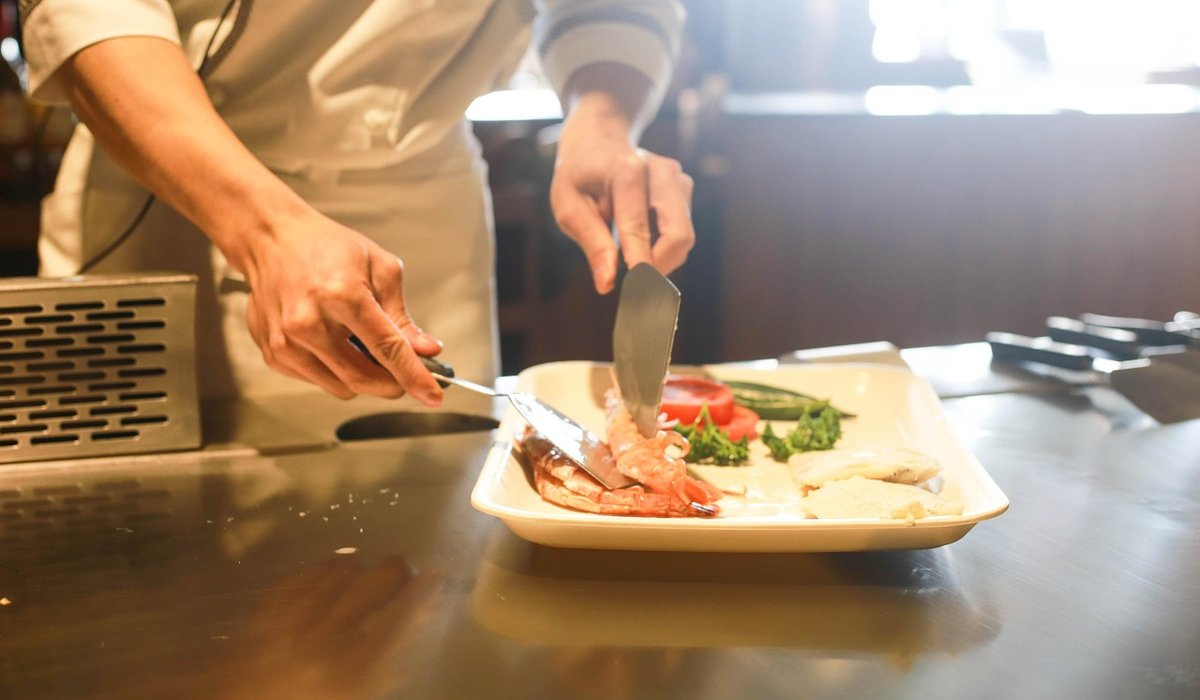
- Fresh fish — usually grilled, caught that morning, and often cheaper than the hotel menu suggests.
Finish with an alouda — a milky, basil-scented drink served over ice — and get an early night. You will want to be on the road before the heat builds tomorrow.
Saturday Morning: Le Morne and the Gorges
If you are reasonably fit and the weather is clear, start the Le Morne Brabant hike at first light. The trail takes roughly two to three hours there and back, involves some scrambling near the top, and offers almost no shade after the first section. Take at least two litres of water each and proper shoes; trainers with grip will do, flip-flops will not. The mountain is a UNESCO World Heritage Site for its connection to escaped slaves, and standing on the summit ridge with the lagoon below is one of the island's great experiences.
If hiking is not for you, drive instead into the interior towards Black River Gorges. The Gorges viewpoint and the Plaine Champagne road give you forest, endemic birds and, on a good day, views right across to the coast. Keep an eye out for macaques at the roadside — do not feed them, and do not leave bags visible in the car.
Then continue to Chamarel. The Seven Coloured Earths and the nearby waterfall are popular, so arrive before 10am if you can, ahead of the coach groups. Entry is paid per site, and card is usually accepted, though a little cash is sensible.
Saturday Afternoon: Souillac, Gris Gris and the Cliffs
From Chamarel, the road drops south towards Souillac in under an hour. Stop for lunch — Creole seafood, palm heart salad and something cold — then drive out to Gris Gris, the southernmost point.
This is not a swimming beach. The Indian Ocean hits the basalt cliffs here with real force, and the currents offshore are dangerous. What you come for is the drama: black rock, sea spray, the blowhole working when the swell is up, and a wind that will remind you of home. Walk carefully, keep back from the edges and never turn your back on the sea.
On the way back, Rochester Falls is a short detour worth making — a small waterfall over squared basalt columns, reached by a bumpy track through sugarcane. A modest entry fee is normal.
Sunday: Mahébourg, Blue Bay and a Slow Lunch
Head east on Sunday morning to Mahébourg, the old colonial port town with a sleepy, faded charm. The waterfront and the market are the draw; the market is at its best on Mondays and Fridays, but Sunday still gives you the food stalls and a sense of everyday town life. Cash is useful here.
From town, it is a short drive to Blue Bay, a protected marine park with genuinely good snorkelling. Glass-bottom boats run from the beach, and the coral and fish are within easy swimming distance of shore. Go early — the car park fills up — and take reef-safe sun cream.
Finish with a long, unhurried lunch on the coast road near Pointe d'Esny, then do nothing much at all for the rest of the afternoon. That, more than any sight, is what the south coast is for.
Practical Notes for British Drivers
- Drive on the left — same as the UK, which makes it easy, but be ready for narrow lanes, potholes and unfenced sugarcane.
- Watch for buses, dogs, pedestrians and cyclists, especially around villages and after dark. Avoid driving at night on the coastal roads if you can; many stretches are unlit.
- Speed limits are generally 40–60 km/h in built-up areas and 80 km/h on main roads, and cameras are common.
- Fuel stations are sparse in the far south-west. Fill up when you see one.
- Cash and cards — cards are widely accepted in hotels and larger restaurants, but carry rupees for markets, small eateries and entry fees.
- When to come — May to September is cooler and drier, ideal for walking. January to March is hotter, wetter and inside cyclone season, so keep plans flexible.
Pack light clothing for the heat, a light rain jacket for the interior, and shoes you can actually walk in. The south rewards those who get out of the car.


Beaches
-
Identify resorts with shallow entry, kids clubs and calm lagoon swimming. These options make beach days easier for parents and young children.
Local Culture



-

Long established fact that a reader will be distracted
-

Long established fact that a reader will be distracted
-

Long established fact that a reader will be distracted




Resorts
Karla Gleichauf
12 May 2017 at 05:28 pm
On the other hand, we denounce with righteous indignation and dislike men who are so beguiled and demoralized by the charms of pleasure of the moment
M Shyamalan
12 May 2017 at 05:28 pm
On the other hand, we denounce with righteous indignation and dislike men who are so beguiled and demoralized by the charms of pleasure of the moment
Liz Montano
12 May 2017 at 05:28 pm
On the other hand, we denounce with righteous indignation and dislike men who are so beguiled and demoralized by the charms of pleasure of the moment