

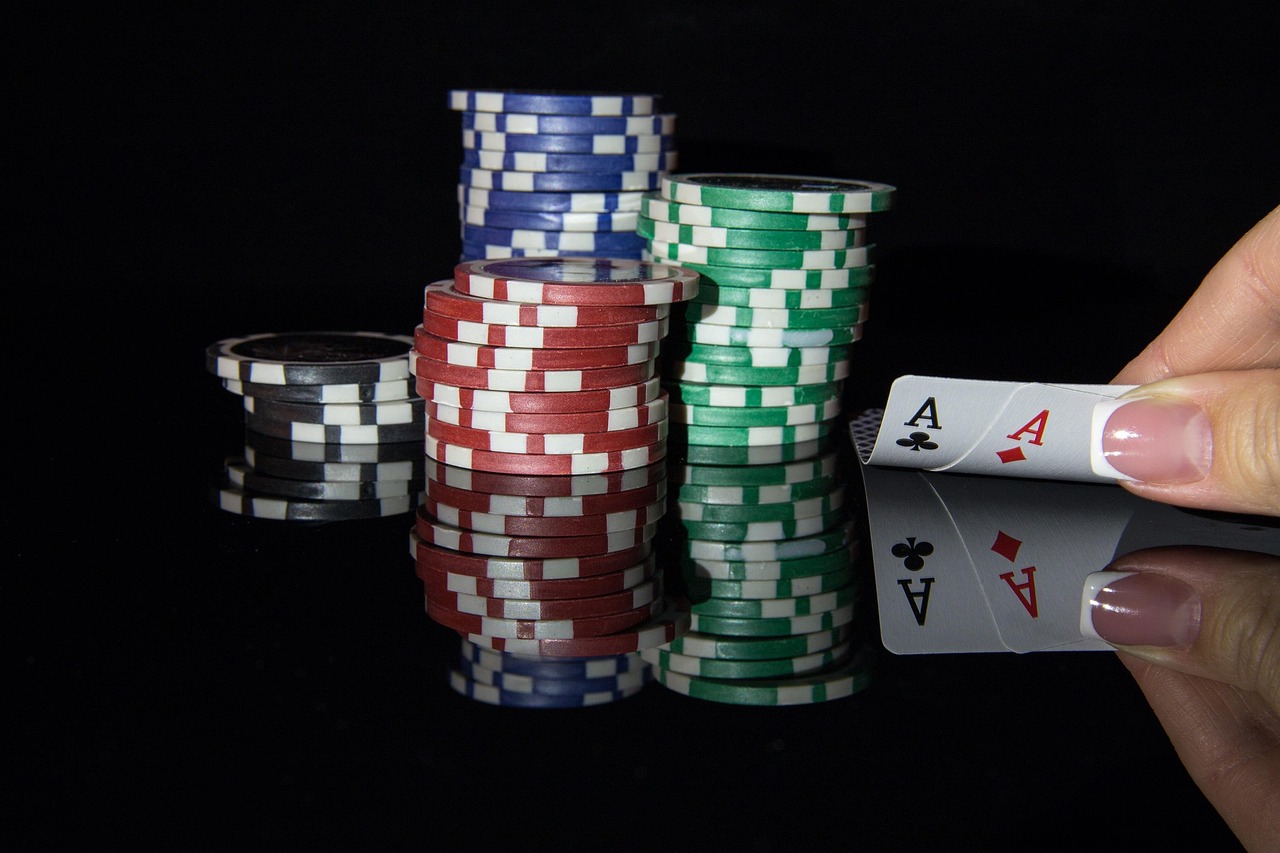
The Real Math Behind Slots, Poker and Sports Betting
Most people who open a casino app for the first time are making at least one expensive assumption. They assume the games are roughly fair, that a hot streak means something, or that the house edge is a small detail they can ignore. None of that is true, and once you understand why, the entire iGaming landscape starts to look different. This isn't a lecture about quitting gambling. It's a breakdown of how the machines, the tables and the sportsbooks actually make their money, so you can decide what's worth your time and what's just a tax on hope.
The House Edge Is Not a Suggestion
Every game in a casino, online or brick-and-mortar, is built around a mathematical advantage for the operator. That advantage is called the house edge, and it's expressed as a percentage of every dollar wagered that the casino expects to keep over the long run. It doesn't show up on any single spin or hand. It grinds you down over thousands of them.
Here's the practical version. A standard American roulette wheel has two zeros, which gives the house an edge of about 5.26 percent. European roulette, with one zero, drops that to 2.7 percent. That single extra pocket cuts the casino's advantage nearly in half. If you play 100 spins at $10 each, the expected loss on an American wheel is roughly $52.60, versus about $27 on the European version. Same game, same thrill, half the bleed.
Blackjack played with basic strategy can push the house edge under 1 percent, which is why serious players learn the chart. Slot machines are the opposite. Their edge typically ranges from 2 to 10 percent depending on the machine and jurisdiction. That's the tradeoff: slots are simple and require no decisions, but you pay for that simplicity with a higher built-in cost.
Slots: Volatility Matters More Than RTP
Ask a slot player what they know about a machine, and they'll usually mention the RTP, or return to player. A 96 percent RTP means that, over millions of spins, the machine returns 96 cents for every dollar wagered. It says nothing about your next 200 spins.
The number that actually shapes your session is volatility, sometimes called variance. Two slots can both sit at 96 percent RTP and feel completely different.
- Low volatility: frequent small wins, slow bankroll drain, few huge payouts. Think classic three-reel fruit machines.
- Medium volatility: a balance of hit frequency and payout size, common in modern five-reel video slots.
- High volatility: long dry spells punctuated by rare, massive wins. Megaways titles and many bonus-buy slots fall here.
If you have a $50 bankroll and you load up a high-volatility slot at $2 per spin, you might be gone in 25 spins without a single feature. Play a low-volatility game at $0.20 per spin and the same $50 can last hours. Neither machine is rigged. They're just tuned differently, and picking the wrong one for your budget is the fastest way to feel cheated when you weren't.
Bonus buys deserve their own warning. Paying 100x your stake to trigger a feature feels efficient, but that cost is baked into the math. You're not buying an advantage; you're buying variance reduction and a guaranteed shot at the bonus round. The expected value is still negative. It is also worth checking nhacaitangtien.com.co before deciding.
Poker Is the Only Game Where You Play the Players
Poker is fundamentally different from every other game in a casino because you're not betting against the house. You're betting against other people, and the house takes a rake, typically 5 to 10 percent of each pot up to a cap. That rake is the only guaranteed winner at the table.
This changes everything about strategy. In blackjack or slots, you can't outsmart the math. In poker, you can absolutely outplay opponents who are making mistakes. The money flows from the players who misunderstand position, pot odds and bet sizing to the ones who don't.
Three things separate profitable poker players from the rest:
- Position. Acting last gives you information. You see what everyone does before you decide. A marginal hand in early position is often a fold; the same hand on the button is frequently a raise.
- Bankroll management. Cash game players should have at least 20 to 30 buy-ins for their stake. Tournament players need closer to 50 to 100 buy-ins because variance is brutal. Skipping this step is how good players go broke.
- Table selection. A great player at a table full of other great players will stagnate. The profit comes from sitting with weaker opponents. Online, this means avoiding the reg-heavy tables and finding the recreational players.
Poker rewards patience and study. It punishes ego. That's why so many casual players love it and so few actually beat it consistently.
Sports Betting: The Vig Is the Whole Business
Sportsbooks don't make most of their money from being right about who wins. They make it from the vig, also called the juice or commission. When you see a spread of -110 on both sides, you have to bet $110 to win $100. The book keeps the difference on the losing side regardless of the outcome.
That 10-cent line translates to a house edge of roughly 4.5 percent on a two-way market. On moneylines and player props, the margin is often higher because the book has more pricing power. Same-game parlays are the most profitable product a sportsbook sells, because each leg compounds the edge. A four-leg parlay at -110 per leg carries a theoretical hold north of 16 percent.
Sharp bettors beat the vig by line shopping across multiple books, exploiting stale odds, and betting props where the book has mispriced a player's role. That's not a casual hobby. It's a spreadsheet-and-spreadsheet kind of pursuit. For everyone else, the realistic goal is to treat betting as entertainment with a defined budget, not an income stream.
What Actually Separates Good iGaming Sessions From Bad Ones
The difference between someone who enjoys online casinos, poker and sports betting for years and someone who torches their bankroll in a weekend comes down to a few habits, not luck.
- Choose games where the house edge is low if you care about longevity. Blackjack with basic strategy and European roulette beat slots and keno by a wide margin.
- Match volatility to your bankroll. A $100 bankroll belongs on low-stakes, low-volatility games, not on $5 spins of a Megaways slot.
- Set a loss limit before you log in, not after you've lost three buy-ins. The decision is easier when you're not chasing.
- Take bonuses seriously and read the terms. A 100 percent match with a 40x wagering requirement on slots is very different from one with a 40x requirement on blackjack, where the low house edge makes clearing it nearly impossible.
- Track your results. A simple spreadsheet of deposits, withdrawals and session times will tell you more about your habits than any gut feeling.
None of this removes the house edge or guarantees a profit. That's not the point. The point is that knowing the math turns a blind gamble into a calculated one. You stop blaming cold machines and bad beats and start understanding why the numbers do what they do.
The Takeaway
iGaming is a business built on small, repeatable advantages. The casino doesn't need to cheat you; it just needs volume and time. Slots grind through volatility, poker transfers money between players with a rake skimmed off the top, and sportsbooks quietly collect the vig on both sides of every line. Understanding that structure won't make you immune to variance, but it will change how you pick your games, size your bets and judge whether a session was actually a good decision or just a lucky one. That's a far more valuable skill than any hot streak.


Beaches
-
Learn how to hire a car, understand local driving rules and avoid hidden charges. Includes tips on parking, fuel stations and insurance cover.

Local Culture




-

Long established fact that a reader will be distracted
-

Long established fact that a reader will be distracted
-

Long established fact that a reader will be distracted




Resorts
Karla Gleichauf
12 May 2017 at 05:28 pm
On the other hand, we denounce with righteous indignation and dislike men who are so beguiled and demoralized by the charms of pleasure of the moment
M Shyamalan
12 May 2017 at 05:28 pm
On the other hand, we denounce with righteous indignation and dislike men who are so beguiled and demoralized by the charms of pleasure of the moment
Liz Montano
12 May 2017 at 05:28 pm
On the other hand, we denounce with righteous indignation and dislike men who are so beguiled and demoralized by the charms of pleasure of the moment